
Shabbat shalom, dear friend.
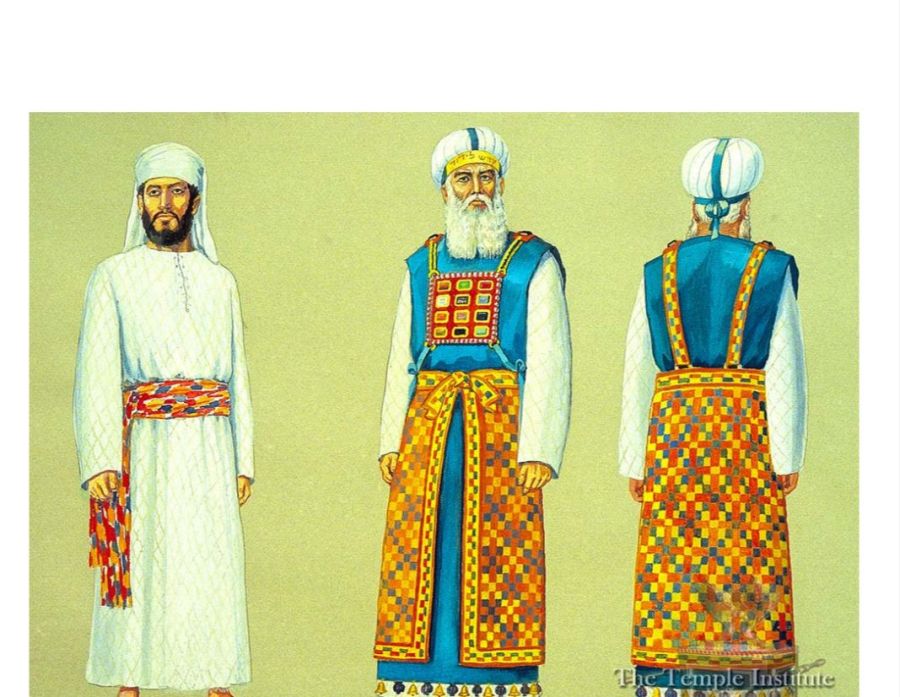
As the sun sets and we welcome this holy day, may the light of Torah illuminate our hearts. This week we read the double portion of Vayakhel-Pekudei, a beautiful culmination of the Mishkan narrative. The portable sanctuary takes shape through detailed instructions for its structure, vessels, and the exquisite garments of the High Priest. To me, these parshiyot whisper a profound lesson: the sacred requires balance in all things.
Notice the materials themselves—wool from living creatures intertwined with linen from the plant world; shimmering gold set beside colorful gems and threads of blue, purple, and crimson. Nothing stands alone; everything is paired, harmonized. The animal and the vegetable, the earthly and the elevated, the simple and the precious—they meet in service to something greater. This is no accident. The Mishkan teaches that true holiness emerges not from extremes, but from integration. In our own lives, we often tilt toward one side—overworking without rest, giving without receiving, or clinging tightly instead of opening wide. Yet the Torah reminds us: balance is divine design.
Then comes the gathering of contributions. Moshe calls for voluntary gifts “from everyone whose heart moves them.” The people respond with astonishing generosity—gold, silver, yarns, skins, stones—bringing so much that Moshe must proclaim, “The people have brought more than enough… let them not bring more.” What a moment! The initial wave of enthusiasm, flowing from open hearts, suffices completely. Those who lingered or hesitated? Often, it wasn’t a true lack. In my own experience, and perhaps in yours, the delay stems from an inner voice whispering, “I don’t have enough yet,” even when abundance is already present. Fear of scarcity, comparison to others, or subtle peer pressure can close the hand that was ready to give.
The Torah honors the first, pure outpouring—the donations given freely, joyfully, without coercion. Anything beyond that, prompted by external force rather than inner generosity, isn’t required. This is a quiet revolution: true support flows from willingness, not obligation. When we give from a place of “enoughness,” we participate in building something eternal.
May we learn to recognize those important projects in our world—the ones that call for our time, resources, or kind words. May we quiet the voice of scarcity and let our hands open naturally. And above all, may we merit to see the ultimate Mishkan restored: the Holy Temple in Jerusalem, standing as the perfect expression of balance, harmony, and open-hearted devotion. In that place of true peace, every gift will find its purpose, every heart its fulfillment.
May the words of our beloved Torah continue to guide us. May we see the Temple restored speedily in our days.
Shabbat shalom, with love and hope.
 Moments of Clarity